- Journal Issues
- № 1-2, (2024) Actual problems of criminal justice
- Young Scientist Tribune
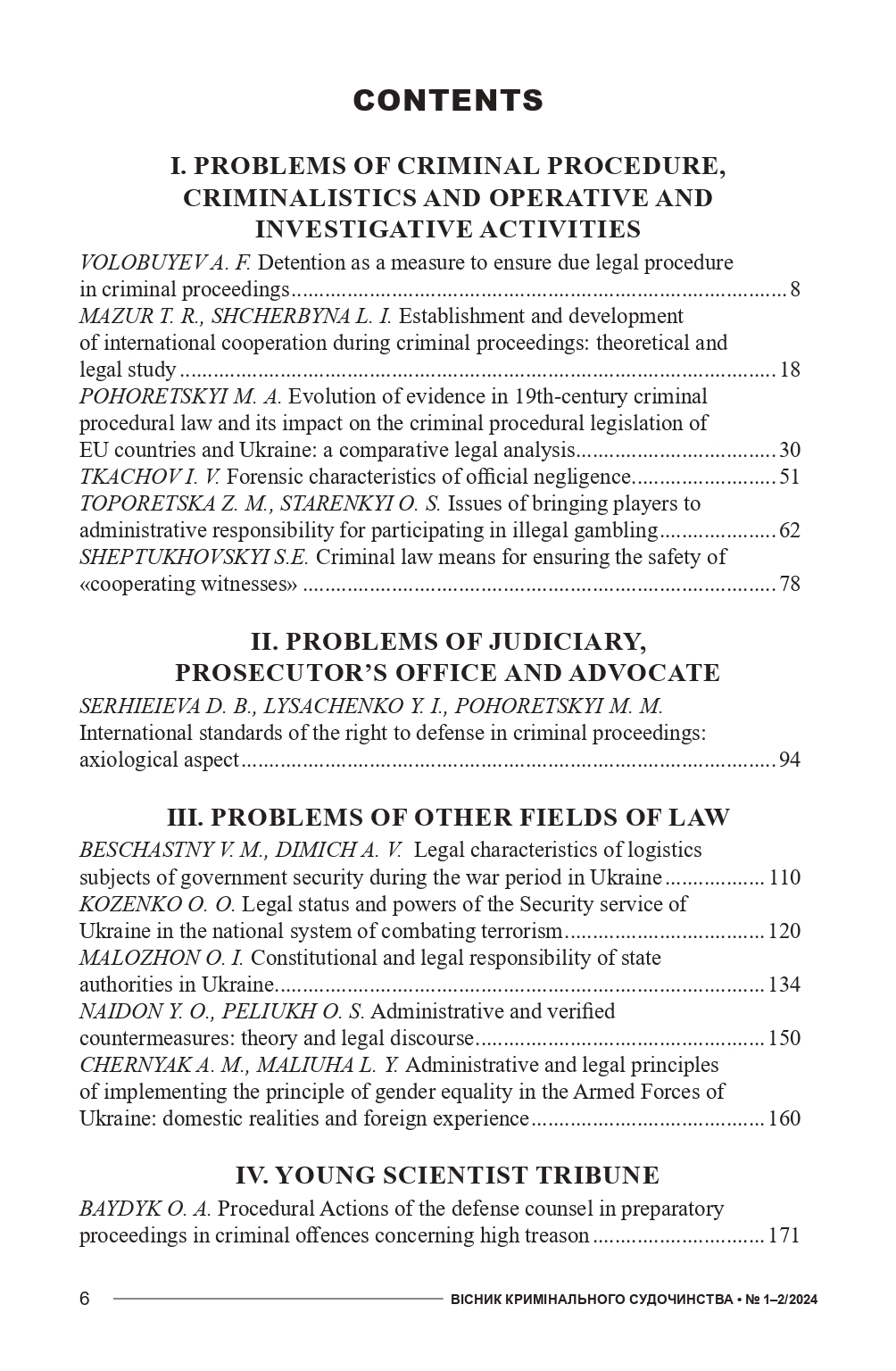
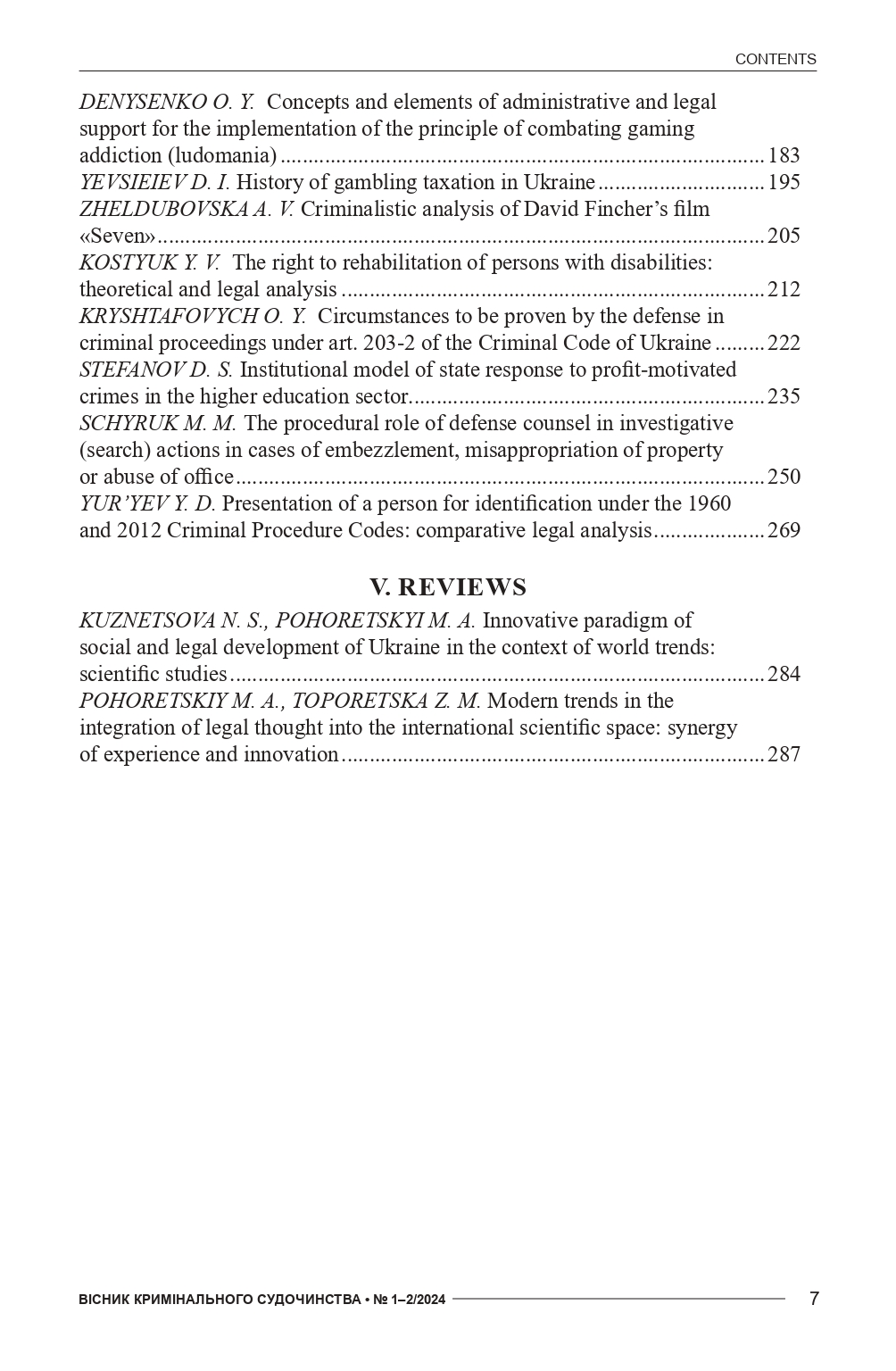
- History of gambling taxation in Ukraine

History of gambling taxation in Ukraine
Review
In 2020, Ukraine allowed gambling, but did not change the approaches to its taxation. As a result, a large and potential gambling market paid quite small tax deductions to the budget. In 2021, gambling organizers paid UAH 204.8 million in taxes, in 2022 – UAH 730.9 million. In 2023, the gambling market paid UAH 10.4 billion in taxes, which is 14 times more than in 2022. This indicates that the existing taxation model is not effective, and therefore requires a change in approaches, but new solutions cannot be effective without studying the history of taxation of this industry, which will help avoid the same mistakes.
The purpose of the article is to study the genesis of taxation of the gambling market in Ukraine, starting from the moment of its independence to the present day. The author identifies the following stages of changes in gambling taxation models: 1) from the moment Ukraine gained independence until 2009 (ban on gambling); 2) from 2011 to 2020 from the date of entry into force of the Tax Code of Ukraine until the moment of permission for gambling; 3) from 2020 to the present day – trends in changing approaches to taxation after permission for gambling.
It is proven that the stages of gambling taxation do not depend on the stages of its state regulation. At the first stage, starting from the 90s of the twentieth century, Ukraine set very high tax rates for gambling, but did not implement tools for the effective administration of such taxes, and therefore the entire market was in the shadows and the state did not receive revenues to the budget. Since the 2000s, certain changes have taken place in tax legislation: tax rates have been reduced and stricter requirements for accounting and reporting have been established, which, together with the introduction of patenting of the industry, has improved the situation with tax administration. However, in 2009, gambling became a prohibited criminal act, while no changes were made to the legislation on its taxation. Moreover, the Tax Code adopted in 2010 established requirements for the taxation of gambling, which at that time was a crime. Since 2020, gambling in Ukraine has been legalized at the level of law, at the same time the highest rates of fees for licenses for the organization and conduct of various types of gambling were established in Europe, however, the tax rates established in the Tax Code have not been changed, which has not contributed to effective tax administration.
Currently, discussions are underway on options for changing the taxation model, but everyone recognizes the importance of such a change. Not only the tax rate, but also the model of tax administration on winnings remains a rather complex issue. All these issues require deep scientific reflections, the study of foreign experience. It is these problems that should be the prospect of further scientific research, in which, based on the history of gambling taxation in Ukraine and comparing the taxation system with budget revenues, it will be possible to assess the advantages and disadvantages of each of them and develop such proposals that would allow for the implementation of positive changes, in turn eliminating gaps in tax legislation.
Keywords: gaming business, gambling, taxation, tax administration, taxpayer, tax authority.